Australia’s extreme climatic conditions have helped create our unusually diversified wildlife and vegetation. As a result the continent has many small, specialised pockets where species have adapted to conditions unavailable elsewhere – and when those pockets are gone, so too are the species that existed only in that isolated pocket. Australia is currently causing the highest number of extinctions of anywhere in the world. “Australia already has the worst rate of mammal extinction in the world. Almost 40% of mammal extinctions globally in the last 200 years have occurred in Australia,” said World Wildlife Fund’s Species Program Leader, Dr Tammie Matson
So much thoughtless and mindless destruction, introduction of exotics, use of fertilizers and chemicals, and poor land management is costing us dearly, with increased desertification, loss of soil and groundwater, loss of biodiversity, loss of fertile land, contamination of ground water and loss of many irreplaceable species that existed nowhere else, some even disappearing before they could be fully discovered.
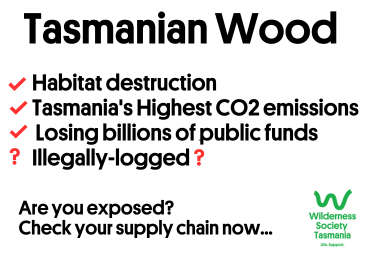
There are many common-knowledge environmental issues currently on Australia’s environmental agenda: the jarrah forest of WA, doomed because they grow in bauxite-rich areas; the Gorgon gas project also in WA, which threatens native species on Barrow Island; introduced species causing major problems in the Northern Territory; woodchipping of temperate rainforests of Tasmania and Victoria; Mt Kosciuszko’s alpine ecology under threat from brumbys; expanding development in SE Queensland causing loss of koala habitat; South Australia’s red river gum threatened by reduced water supply; overfishing endangering the kelp forests of Tasmania; each state has precious and irreplaceable areas that are at risk for various human-induced reasons.
Forests and other species-specific land are being treated as a mere commodity but once destroyed, the diverse ecology that flourished will not be easily regenerated. It seems that for any chance of protection, each pocket of biodiversity needs it’s own group of resistance fighters, people who are prepared to fight government, councils, developers, and say NO to the destruction. The fact is that people have to demand protection for our environment, before any action is taken to protect or even examine what we stand to lose. This results in division in the community, expensive legal action, stress and financial hardship, often for those involved in each side of the debate.
One success story is the Wollemi Pine, which resulted from an astonishing find in an isolated area not threatened by development, mining or forestry, making it quite unique in the Australian environmental experience.
Now climate change is likely to make the fight to save the nation’s remaining diverse flora and fauna from extinction much harder. As just one example of the current effects of global warming, there has been an increase in the percentage of female turtles, as sex of hatching turtles is determined by temperature, and nests are already regularly exceeding the 34 deg C limit for producing males. The possible ramifications of such a simple environmental change on the ecology is not yet determined. But how many such simple changes may we see, that risk leading to major changes in our immediate environment, even if even if we keep within the “acceptable” increase of 2 deg C agreed to at Copenhagen?
With the risks so high it is curious that our government is not particularly concerned. Camels have been named as the third worst emitter of methane in the animal world, but in spite of this and the benefits in reducing numbers of exotic species, Penny Wong (pictured) has stated there is no point culling the one million wild camels in Australia because only emissions from the 500 or so used for tourist rides are included in Australia’s emissions.
Clearly neither she nor PM Rudd have grasped the fact that to achieve what is required we actually need to cut emissions, not fudge the figures to make Australia look good to the global community.