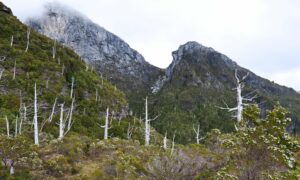
Sustainable, organic, permaculture, biodynamic.
Those are the buzzword alternatives to conventional viticulture, often dismissed in the past as the domain of ratbags and hippies – the kind of winegrowing you said you did if you walked barefoot and didn’t own a decent tractor or a vineyard spray unit.
Nowadays, these planet-friendly approaches to agriculture and viticulture have genuine street-cred. Indeed, to many wine producers, they’re seen as fundamental to ensuring the health and well-being of future generations of our citizens, wine consumers included.
Tamar Valley winemaker Cynthea Semmens figures in that industry cohort. She believes her company’s future is inextricably linked to the way in which it interacts with its environment.
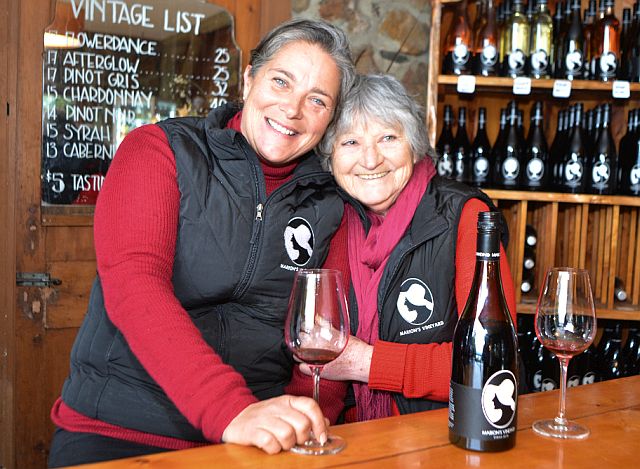
Cynthea and Marion Semmens. Image courtesy Mark Smith.
“Vintage 2020 was completed at the end of a season when we used only organic sprays on this property,” says the joint owner of Marion’s Vineyard.
“I think in the previous year, we ended up using only one chemical spray in the vineyard. We’re gradually weaning ourselves off conventional regimes. It’s like we’ve been addicts of those practices in the past. It’s not an easy journey but we’re feeling really good about it.”
Ten years have passed since Semmens and her husband David Feldheim returned to Tasmania after living and working interstate. Marion’s Vineyard was her childhood home.
Nowadays, along with her brother Nick and her mother Marion, Semmens has become the custodian of a family property with a 40-year history and an even longer future.
“We want what we’re doing here to be part of a 200-year plan,” she continues. “There’s no point in looking ahead 10 or 15 years. We have to think big. But there will be long talks with professionals.”
Right now, actively achieving 2019 ACO Standards and subsequent certification with Australian Certified Organic looks a distinct possibility. The ACO Bud logo is a stamp of integrity that appears on the majority of organic products sold in Australia.
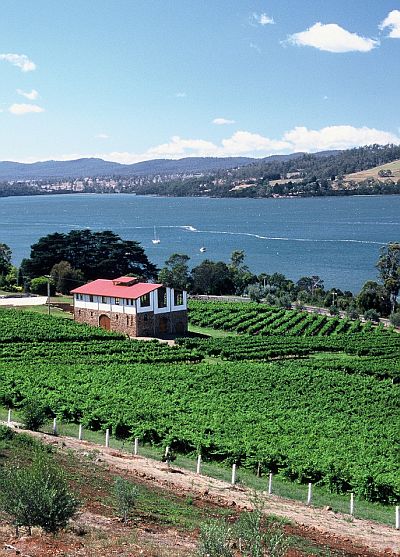
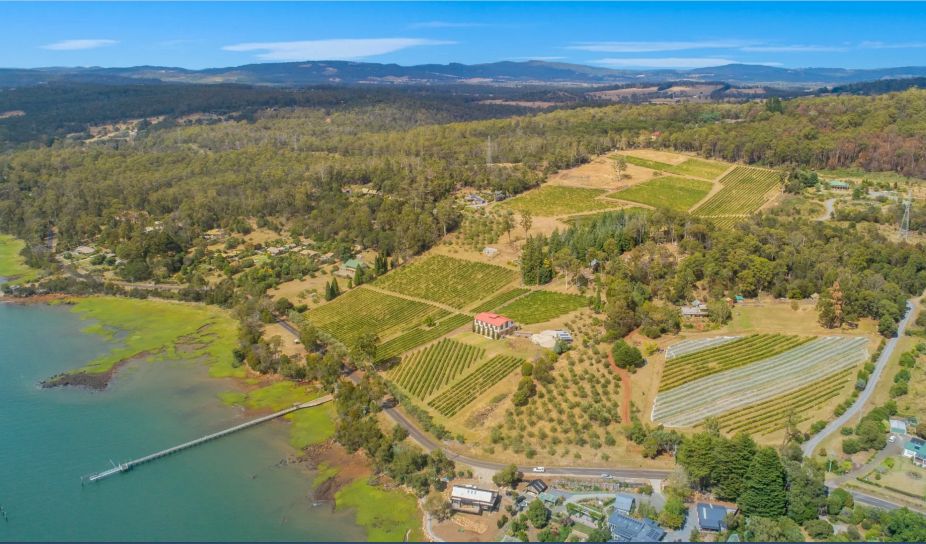
Marion’s river views. Image: Mark Smith.
The busy mother of two young boys has fond memories of growing up on the 14ha Deviot property overlooking the Tamar River, 30 kilometres north of Launceston. She was barely five years old when she helped Marion and Mark Semmens plant the vineyard’s first vines back in 1980. Her parents had arrived from California only months before, the couple having just completed purchase of their rocky bush block and its moribund apple orchard.
Her parents’ hasty emigration to Tasmania had been preceded by periods of some very elementary backyard winemaking in the United States. Those experiences – along with Marion’s childhood years of helping tend her family’s vineyard on the island of Cyprus – made the Semmenses better equipped than most for the pioneering roles they would subsequently fulfill in the embryonic Tasmanian wine industry.
Respected author, critic and Australian wine industry doyen James Halliday would later refer to Mark Semmens as ‘a stormy petrel,’ but much was achieved in those early years.
The vineyard’s initial plantings comprised 4ha of Cabernet Sauvignon, Pinot Noir, Chardonnay and Müller-Thurgau. Additions made during the 1990s included many grape varieties then regarded as coming straight out of left field. They included Cabernet Franc, Cascade, Mavrodaphne, Pinot Gris, Shiraz, Tempranillo, Viognier and Zinfandel.
Cynthea Semmens has clearly inherited both parents’ wine genes. She studied winemaking and marketing at the University of Adelaide and Charles Sturt University. On completing a Bachelor of Applied Science (Oenology) in 2000, she worked vintage in Oregon in the United States. Next came career enhancing employment in South Australia as a winemaker with Hardys and then Leasingham Wines.
“I loved the Clare Valley, but I’m not an inland Australia girl,” Semmens admits.
“I missed the water. Besides, I had three really hot vintages and winemaking there was such a challenge.”
Fourteen years later, Semmens basks in the warmth of her Tamar River water views. Her father Mark no longer enjoys joint ownership of the property. The vineyard’s oldest vines are also in need of significant work to restore them to their former glories. Some have succumbed to trunk diseases and have been pulled out already or are scheduled for removal.
“We’re around 7.5ha in area these days, with the capacity to go to maybe 8.5ha by the time we finish our rejuvenation and replanting programs,” Semmens explains.
“I’m really keen to make good wines here – not just in the winery but out there in the vineyard. I really wish I’d been trained as a viticulturist rather than as a winemaker, though by now I probably would have thrown out everything I learned 20 years ago. I’m loving this tractor time, helping to create our futures.”
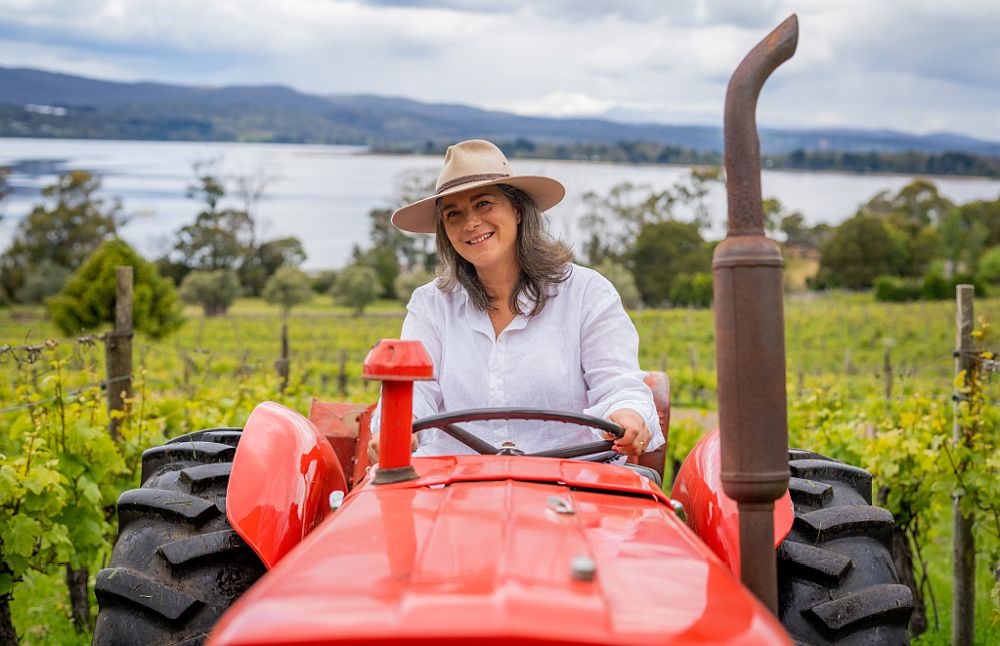
Tractor time. Image supplied.
Tasmania sparkles
It’s going to be something of a quiet month for lovers of Tasmanian sparkling wine.
For each of the past six years, November’s Effervescence Tasmania festival has been a highlight on the calendar of all sparkling wine enthusiasts around the state. Indeed, what started out as an ambitious but well-conceived series of Launceston-based events intended to raise the public profile of Tasmania’s sparkling wine industry grew to become one of the country’s pre-eminent celebrations of sparkling wine.
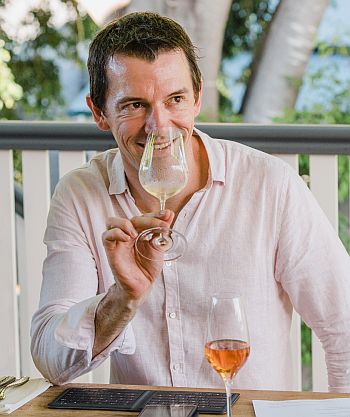
Sparkling wine authority, Tyson Stelzer. Image supplied.
Tasmania hosted thousands of interstate and overseas visitors during those months. Many came to the state just to experience first-hand the joy encapsulated in every foaming glass of local fizz.
But this November, things are different. Effervescence itself has been put on ice, at least for the foreseeable future. In part, that’s due to modern-day life in a COVID-19 world, where much of the sparkle has been taken out of our travel, tourism and hospitality industries.
But never fear, good times are ahead. Friday 5 February 2021 will see renowned Champagne and sparkling wine expert Tyson Stelzer back in the state, spruiking Tasmanian wines at a five-course degustation dinner to be held at Josef Chromy Wines, just outside Launceston.
Tasmania’s top fifteen sparkling makers will be present to share their best wines and their stories alongside some scintillating local produce prepared by Josef Chromy Head Chef Nick Raitt.
Stelzer has been a driving force behind the success of Effervescence Tasmania. Now Australia’s most widely read authority on these rarefied wine styles, the Queensland writer and critic has won numerous national and international awards for his work, including that of International Wine and Spirit Communicator of the Year 2015.
“It’s my great honour to assemble all fifteen estates by invitation only, for this unique opportunity to showcase their flagship cuvées,” Stelzer says.
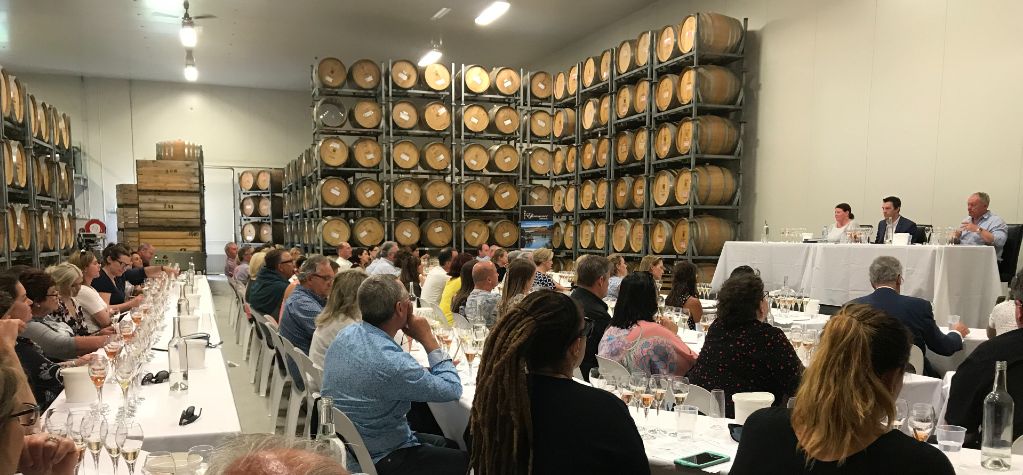
Effervescence tutored tasting. Image supplied.
“Tasmania has again shone as Australia’s hero sparkling state in my tastings, topping the charts by every measure. More than this, its cuvées have ascended to an all new level of finesse this year, and the top estates have released the finest cuvées they have ever produced.”
Wow. Taking your seat at the table will require three months’ patience, but you can guarantee Stelzer’s sparkling wine extravaganza will be worth the wait and its $325 per head ticket price.
ADVERTISEMENT – ADVERTISEMENT – ADVERTISEMENT
Hobart’s Mark Smith wrote his first weekly wine column back in 1994. Now more than 1700 features and 25 years later, he continues to chart the successes of Tasmania’s small scale, cool climate wine industry with regular contributions to some of Australia’s leading industry publications.
PICK OF THE CROP
Mark gives you his honest opinions about the best wines available right now from Tasmania’s wine makers.
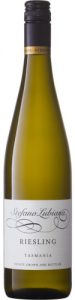
2019 Stefano Lubiana Riesling $33
Steve and Monique Lubiana began their biodynamic journey in Tasmania’s Derwent Valley a decade ago. The painstaking vineyard management required pays handsome dividends in grape and wine quality. Wild fermentation in large format oak then enhances expression of site, Steve says. This vegan-friendly Riesling offers great value for money, delivering clear floral and citrus varietal characters with real drive and conviction. There’s an engaging minerality too, perhaps induced by ancient marine deposits located beneath the Granton property. The wine is lithe, lingering and lovely. www.slw.com.au
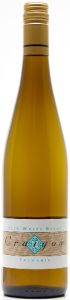
2019 Craigow White Blend $34
Craigow, in the Coal River Valley, has been Riesling-centric for decades, the aromatic Germanic grape often producing its best wines. The site’s bright, sunny aspect gives generosity to wines in the glass. Combining Riesling with Gewürztraminer is a proven white blend but adding a dollop of Chardonnay makes them odd bedfellows. Smart thinking, however. The 2019 is among Craigow’s most popular wines at the cellar door. It’s floral and spicy on the nose, then rich and handsome on the palate. Think lychee, lime and ginger marmalade. Kaboom. www.craigow.com.au
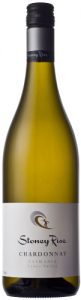
2020 Stoney Rise Chardonnay $32
Tamar Valley winemaker Joe Holyman reckons he seldom changes the way he works with Chardonnay in his Gravelly Beach winery. Modest vineyard yields, early picking and fermentation in 2500L oak casks thus account for the remarkable consistency in the quality of these wines. Oak maturation is kept to a minimum for the Stoney Rise label, but the introduction of a new cask added some attractive cashew nut elements to the 2020 wine. Refined melon and white nectarine flavours are enhanced by great texture, freshness and vibrancy. Delish. www.stoneyrise.com
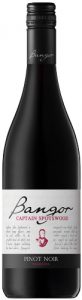
2019 Bangor Captain Spotswood Pinot Noir $34
This new release is a worthy successor to the excellent Captain Spotswood wine that rewarded Dunalley’s Dunbabin family with three trophies at the 2020 Tasmanian Wine Show. Pinot Noirs from the 2019 vintage in Tasmania have an immediately appealing juiciness to them and this Bangor rendition is very smart indeed. Its rich black cherry, plum and red berry flavours are ideal for early consumption, but maturation in old oak has endowed the wine with good focus, fine structure and a capacity for ageing up to 5 years. www.bangorshed.com.au
ADVERTISEMENT – ADVERTISEMENT – ADVERTISEMENT
Special offer, just $240!