After a year of Netflix, being in the audience of the opening night performance of “The Bleeding Tree” was an in your face reminder of how powerful live theatre can be, and should be. This most powerful performance clearly illustrates why we must continue to support local live theatre at all costs, especially in our isolated state of Tasmania.
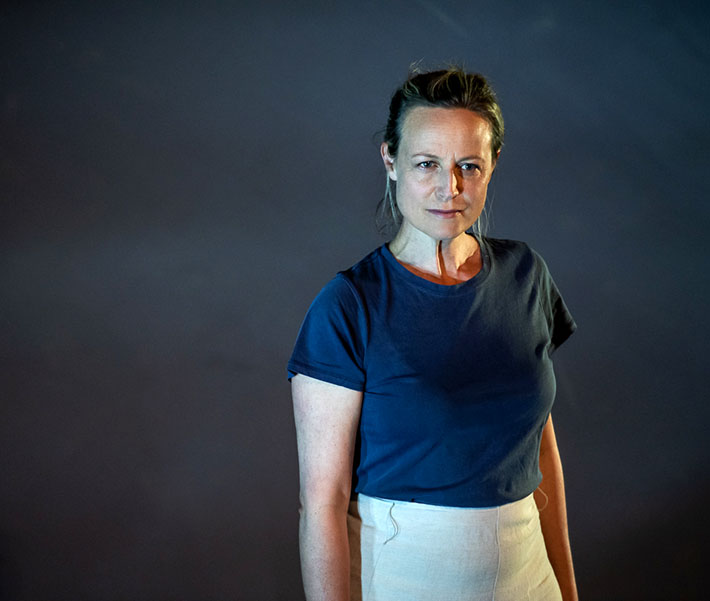
Marta Dusseldorp in her role as Mum
New to the Tasmanian theatre scene is Archipelago Productions, an Australian screen and stage company whose aim is to develop and create work locally, in collaboration with interstate and international partners. It has been established by Tasmanian based producer/actor Marta Dusseldorp and producer/director Ben Winspear.
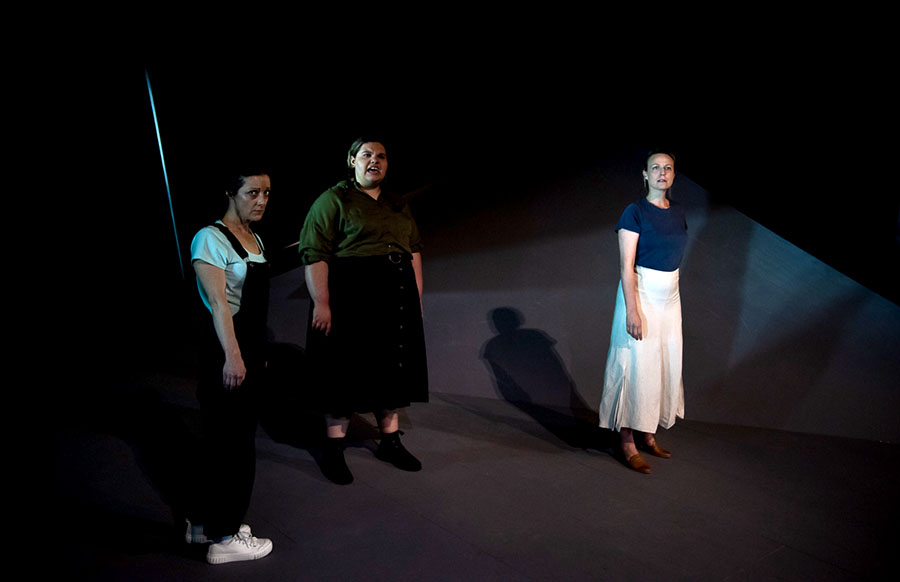
In “The Bleeding Tree”, Dusseldorp stars in the role of the revengeful matriarch in a defiant, blackly comic tale of survival. She is ably supported by Jane Johnson and Kartanya Maynard playing in the roles of her two daughters.
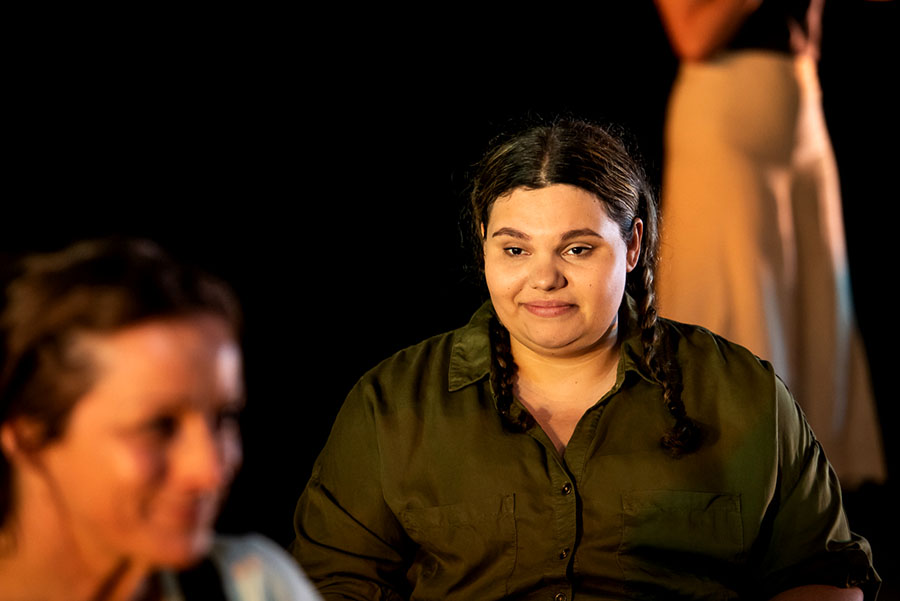
Seated in the stalls there is the added opening bonus of watching the house curtain being raised breathtakingly slowly to reveal at first three pairs of legs well planted to the stage and ultimately revealing the three female actors.
From the moment the curtain was fully raised Marta, Jane, and Kartanya performed nonstop, almost without taking a breath, a most intense and gutsy ninety minute performance.
The Bleeding Tree won scriptwriter Angus Cerini the prestigious Griffin* Award in 2014, is an award that recognises an outstanding play or performance text that displays an authentic, inventive and contemporary Australian voice, with the winner receiving a $10,000 prize.
Critics have hailed Angus Cerini’s morbidly hilarious fable as ‘powerful, visceral and deeply exhilarating … unhesitatingly recommended’.
The program that accompanies the tickets provides a veritable list of contact phone numbers for local support services covering family violence counselling, legal aid and support for men and children, an indication of the message behind this play.
The writing is violent, harsh and bloody.
With a bullet hole through your neck, numskull of yours never looked so fine.
Rest in peace Daddy numbskull.
Ta ta Daddy ya sick bundle of shit. Bye bye Daddy you misery heap of shit.
Lookit him there all on the floor.
Still.
Prick’s not moving no more.
How’s them tricks you played now so sick and strange old man?
Rest in peace how’s that treating ya?
Ya stuffed-up river of broken skin and knitting bones.
The stage set is elegant in its simplicity and is very effective in entombing the lives of a mother and her two daughters as they deal with suffering from violence and the power of the matriarchy. Combined with the stark lighting and the occasional sounds of distorted music echoing the agony, the overall scene is riveting.
Attending the Theatre Royal during these COVID-19 times is almost a luxury with improved sightlines, no sharing of armrests, and a much smaller bubble of audience goers in the foyers. It is however a stark reminder of how much the theatre community has truly lost because of the pandemic.
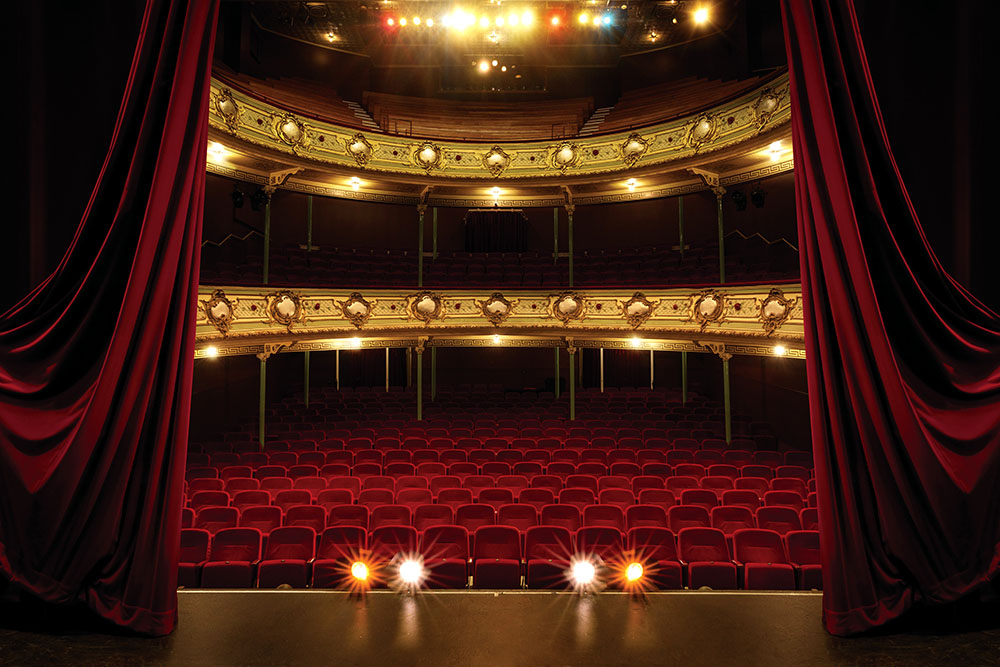
Main Stage Theatre Royal Hobart. Image Credit Nick Osborne
The main stage in the Theatre Royal normally accommodates seating for 698 and has been forcibly reduced to around 230 per performance in keeping with the directions of Public Health Services Tasmania. These reduced numbers must be playing havoc for production companies who have fixed costs regardless of the size of the audience.
Dusseldorp has advised Tasmanian Times “There are good seats left for our Wednesday night performances 7.30pm 18 November, 25 November and the 2pm matinee Saturday 21 November. There are also still some seats every other night.”
COVID has however provided extra flexibility with the use of the theatre and Dusseldorp explained:
“We have already extended another week and will put on extra shows if these current shows sell out.”
All upcoming performances at Theatre Royal will be held, and if there are changes to these directions the Theatre will provide updates to the ticket holders. All performances will include precautions such as physically distanced seating, collection of contact tracing details for every ticket holder, hand sanitisation stations at entrances, increased cleaning of public spaces and staff training in COVID safe procedures.
*Griffin’s Stables Theatre in Darlinghurst Sydney, formerly the Nimrod Theatre, was established in 1970.